Jul 15, 2026OEM/ODM Guides
Private Label Sex Toy Project Checklist: What Buyers Should Decide Before Requesting Samples
A practical checklist for adult wellness buyers before requesting private label sex toy quotations or samples, covering market, cost, MOQ, packaging, documents, and sample approval.
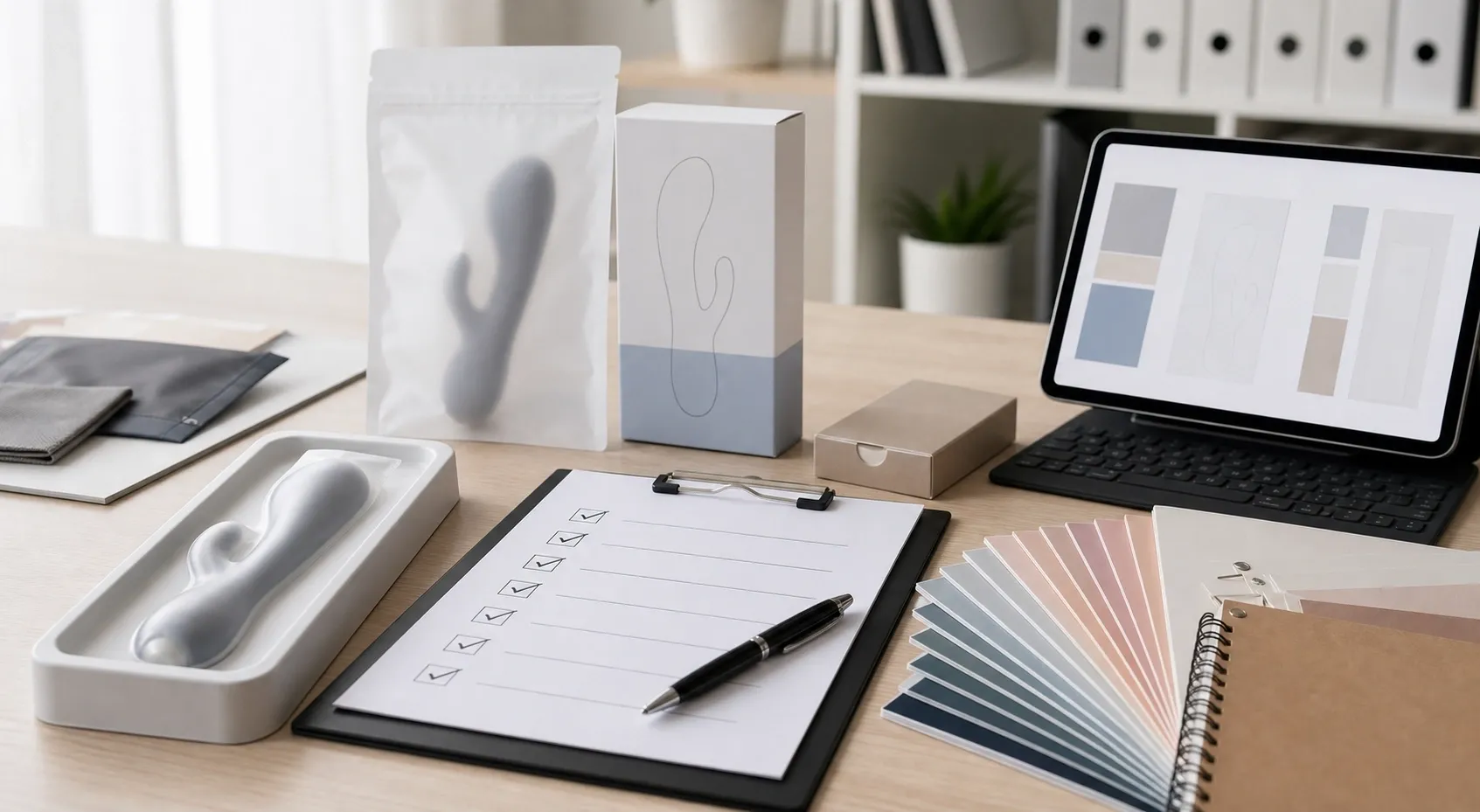
Before requesting sex toy samples, adult wellness buyers should clarify their target market, product position, cost range, first-order quantity, customization level, packaging needs, compliance documents, and launch timeline. A practical private label sex toy project checklist makes quotations and samples more useful because suppliers can respond to a defined buying plan, not a loose product idea.
Why Project Preparation Should Come Before Sample Requests
Requesting samples too early can create misleading comparisons. Two products may look similar in a photo, but price and timing can change because of material, battery type, logo method, packaging format, document needs, or order quantity.
Sample review works better after the commercial direction is clear. If the target customer, retail position, SKU plan, and packaging route are still undecided, the sample may answer the wrong question.
Private Label Sex Toy Project Checklist for Buyers
1. Decide the Target Market and Sales Channel
The United States, EU, UK, online marketplaces, distributors, and physical retailers may have different expectations for documents, labels, packaging, language, and product presentation. The sales channel should be decided before sample requests begin.
2. Define the Target Customer and Product Position
An entry-level product, gift-oriented item, premium wellness product, and feature-focused product should not use the same cost logic. Product position affects function choices, packaging quality, color direction, and acceptable retail price.
3. Separate Required and Optional Features
A useful brief separates required functions from nice-to-have functions. Waterproof design may be non-negotiable for one product line, while app control, heating, or extra accessories may be unnecessary for the first launch.
4. Work Backward from Retail Price
Product cost should be worked backward from the planned retail position. Distributor or retailer margin, packaging, freight, duties, testing, and marketing costs all affect whether a product cost is commercially workable.
5. Decide Quantity and SKUs
Five hundred units in one color is different from five hundred units divided among several colors or models. More SKU variety can affect MOQ allocation, packaging artwork, sample approval, and inventory exposure. For sex toy MOQ planning, see What Is the MOQ for Private Label Sex Toys?
6. Choose the Appropriate Level of Customization
Customization can range from an existing product with no changes to logo printing, custom color, custom packaging, product structure changes, or new mold development. Deeper customization normally requires more time, cost, and quantity, so the first order should match the buyer's risk level.
For lower-risk planning, see Private Label Sex Toys: How to Build an Adult Wellness Product Line with Lower Risk.
7. Prepare Packaging Requirements
Initial adult toy packaging requirements may include box format, insert tray, instruction manual, barcode, warning information, language versions, and retail display needs. Early packaging decisions affect artwork preparation, carton size, sample approval, and cost.
8. Identify Document Requirements Early
Compliance and document needs may depend on the target market, product design, materials, battery type, packaging format, sales channel, and importer responsibilities. Required tests, declarations, battery documents, and shipping documents should be confirmed with the buyer's compliance team, customs broker, or testing lab.
9. Create a Sample Checklist
A sample approval checklist should cover appearance, dimensions, material feel, functions, noise, charging, battery, logo position, color, packaging, and instructions. Written criteria make sample review less dependent on first impressions.
10. Confirm Timeline and Decision Makers
Project timing also depends on internal approval. The buyer should know who approves the product, packaging, documents, and final order before several teams begin reviewing design, artwork, and import documents.
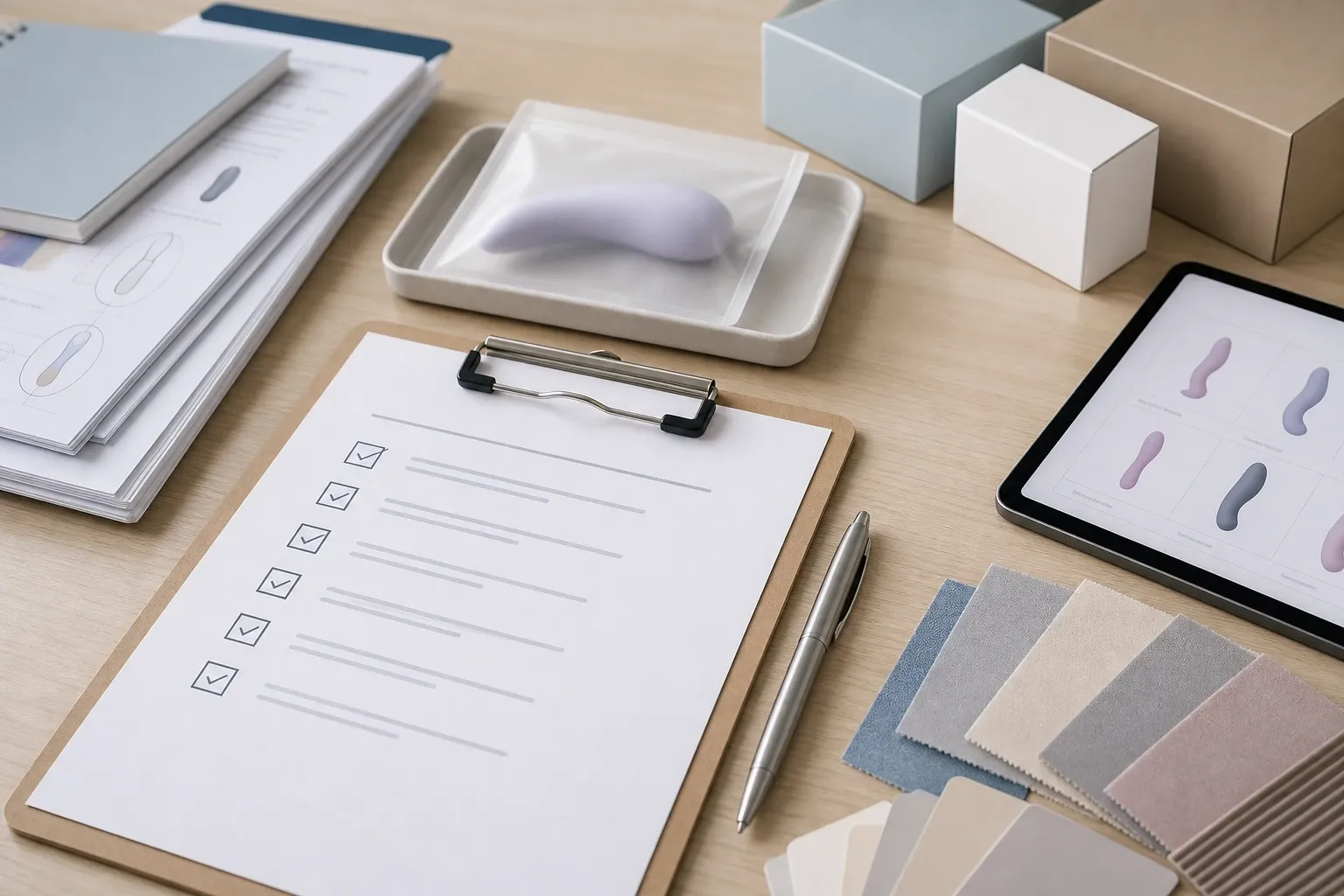
What Information Should Buyers Send with a Sample Request?
A practical sample request should include:
- Target market
- Product type
- Required functions
- Preferred size and material
- Target quantity
- Target cost range or retail position
- Customization requirements
- Packaging preference
- Required documents
- Expected launch date
Some technical details can remain open at the sample stage. The buyer still needs to provide enough commercial direction for product recommendations, sample selection, and a workable quotation.
Frequently Asked Questions
Should buyers request samples before confirming the target price?
It is better to define at least a target cost range or retail position first. Otherwise, a buyer may approve a sample that cannot fit the margin, packaging cost, freight budget, or sales channel. The target price can be flexible, but it should not be unknown.
How much customization should a first private label order include?
For many first orders, logo printing or custom packaging is more practical than changing product structure or developing a new mold. Deeper customization can make sense after demand, launch plan, quantity, and budget are clearer.
What information helps a supplier prepare a more accurate quotation?
A useful request includes target market, product type, required functions, quantity, customization level, packaging preference, document needs, and expected launch date. These details help separate ready-made options from deeper private label product requirements.
Final Thoughts
A private label sex toy project checklist makes quotations, samples, and internal decisions more useful. Buyers do not need every detail finalized, but the main commercial boundaries should be clear before sample work begins.
Hotlove supports adult wellness buyers with selected product options, private label discussion, packaging review, sample coordination, and supplier-side follow-up before order confirmation.